History of the Sydney Harbour Bridge
Setting the Context
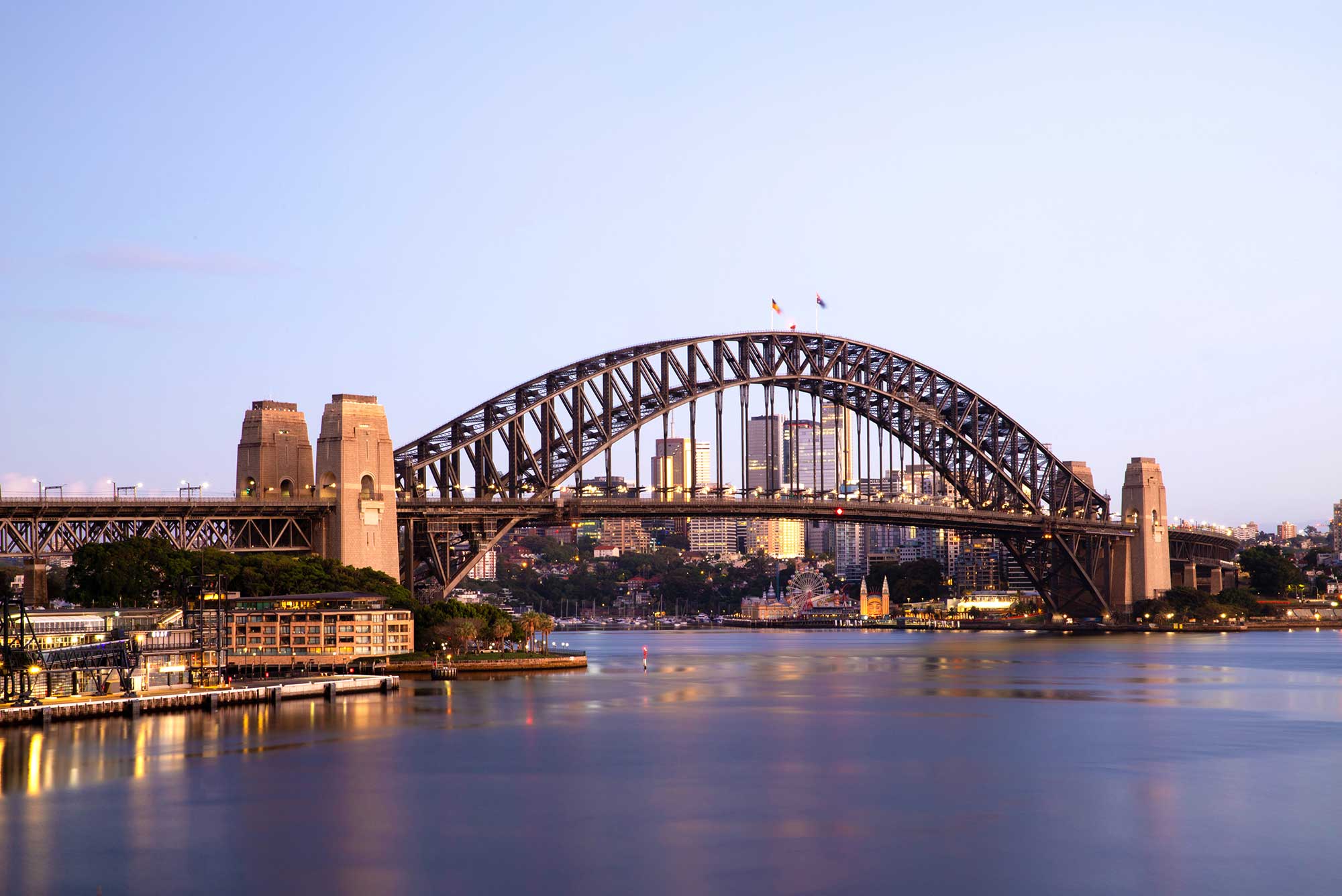
The Sydney Harbour Bridge began as a bold response to a real need. As Sydney grew, the harbour became both a defining feature and a daily obstacle. Communities on opposite shores relied on ferries and long detours, limiting how the city functioned and how it could grow.
The idea of a permanent crossing carried enormous ambition. It required confidence in the future of Sydney and belief that a structure of unprecedented scale could be built. From the beginning, the Bridge was more than a transport solution. It was a statement of connection, progress and shared purpose.
Inside the Sydney Harbour BridgeMuseum, this story unfolds from within the original structure itself, where the physical presence of the Bridge adds depth, scale and immediacy to its history.
Where Imagination Meets Innovation
Where the two sides met
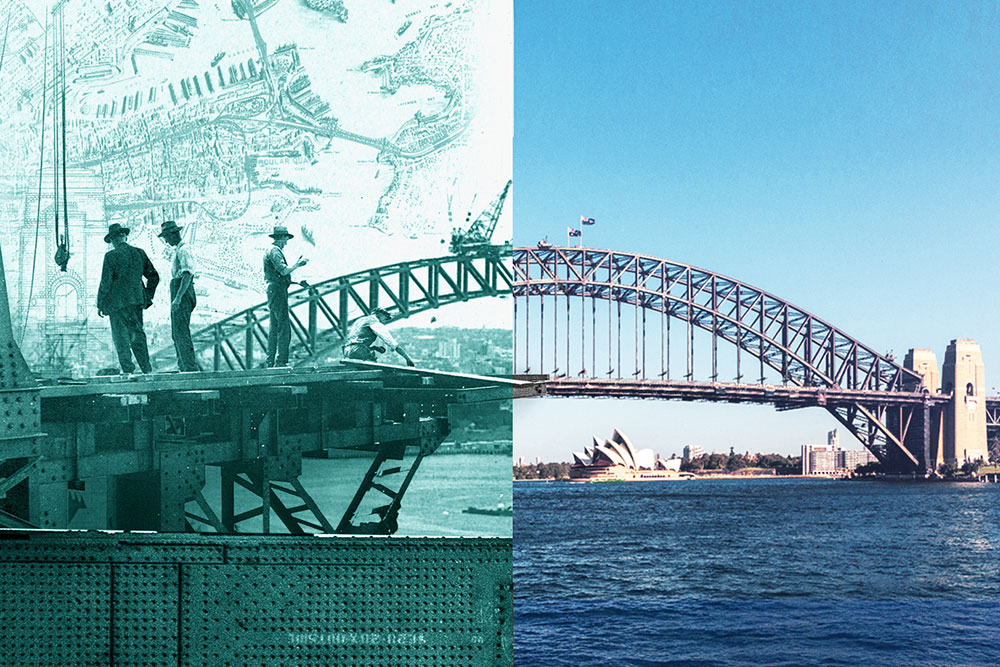
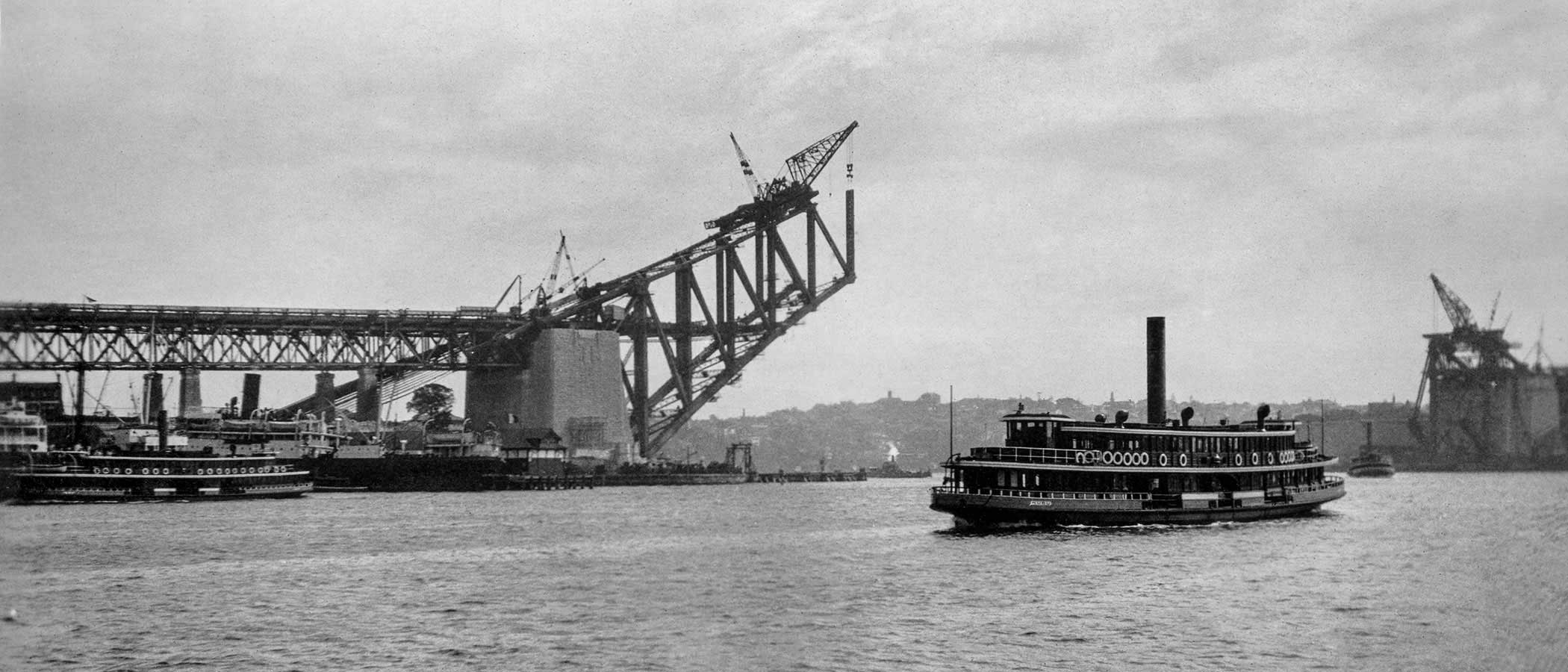
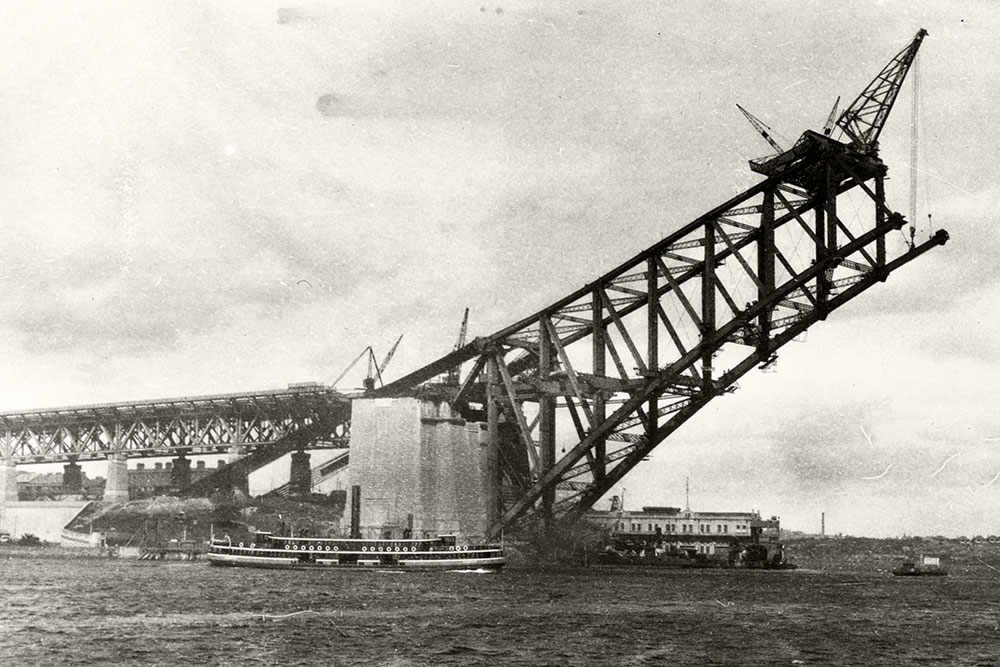
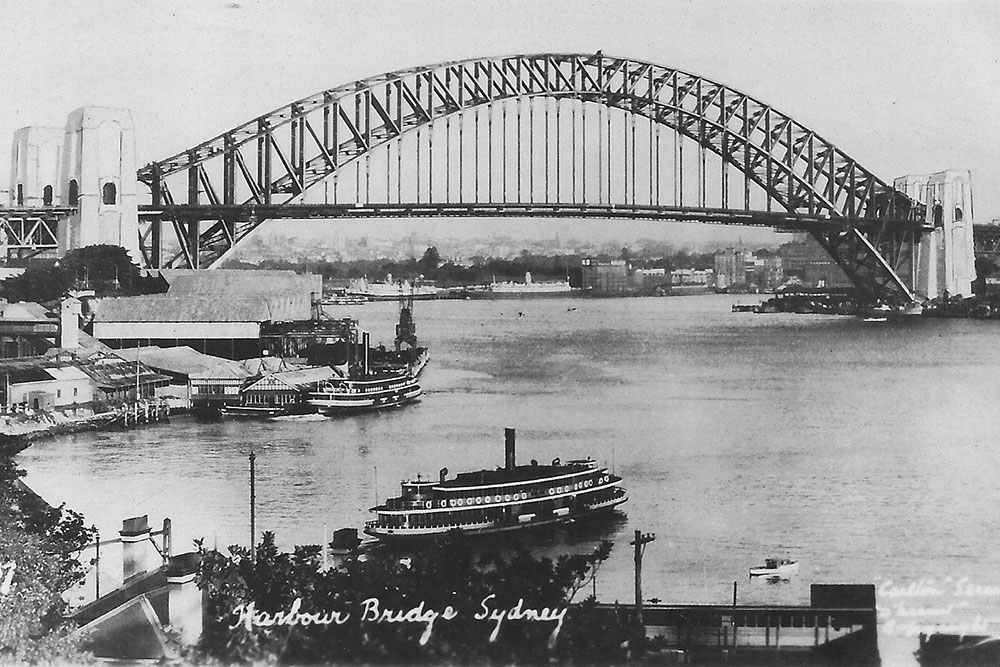
Constructing the Bridge turned a vision into physical reality. For 8 years between 1924 - 1932, the site was a hive of activity where more than 1500 workers pushed the limits of innovation to assemble 52,300 tonnes of steel.
Built piece by piece, this steel arch marvel stretches 1,149 metres in length, with a central span of 503 metres that remains one of the longest in the world. Skilled labourers worked with incredible precision to ensure the two halves of the arch - built simultaneously from opposite shores, with the south side leading slightly to allow for corrections - would meet perfectly in the middle, up to 134 metres above the water, without scaffolding or safety nets.
Though the original stairways, walkways, and interiors were not initially designed for public access, visitors can now travel these paths on an immersive journey into the stories of the people who built the bridge. Hailed as a £6.25 million triumph at its 1932 opening, the project also bore a profound human cost - with sixteen lives lost during construction.
Key dates:
- 1815: Francis Greenway suggests a bridge to Governor Macquarie, the first recorded proposal.
- 1900: A formal design competition is launched by the Minister for Works, EW O’Sullivan, marking JJC Bradfield’s first involvement.
- 1922: The Sydney Harbour Bridge Act is passed, authorising the project to move forward.
- 1923: The "Turning of the First Sod" marks the official commencement of the project.
- 1924: The contract is awarded to British firm Dorman Long & Co.
- 1928: The erection of the iconic steelwork officially begins.
- 1930: The two halves of the steel arch are successfully joined.
- 1932: The Bridge was officially opened to traffic on 19 March after 8 long years of construction.
- 1982: The Bridge celebrates its 50th Anniversary, documented as a major public event.
- 1988:The Bridge receives two major honours:
- Declared an International Historic Civil Engineering Landmark by the American Society of Civil Engineers.
- Declared a National Engineering Landmark by Engineering Heritage Australia.
- 2007: The Bridge celebrates its 75th Anniversary, and the Sydney Harbour Bridge Conservation Management Plan is established to provide a framework for its ongoing care.
- Today: Now managed by Transport for NSW, the Bridge remains a vital artery connecting nearly a quarter of a million people to the city every day.
The Bridge That Never Sleeps
Why the Bridge Matters Today
Your Bridge Facts, Sorted!
Construction began in 1924, with work continuing through challenging economic conditions for 8 years until the Bridge was completed in 1932.
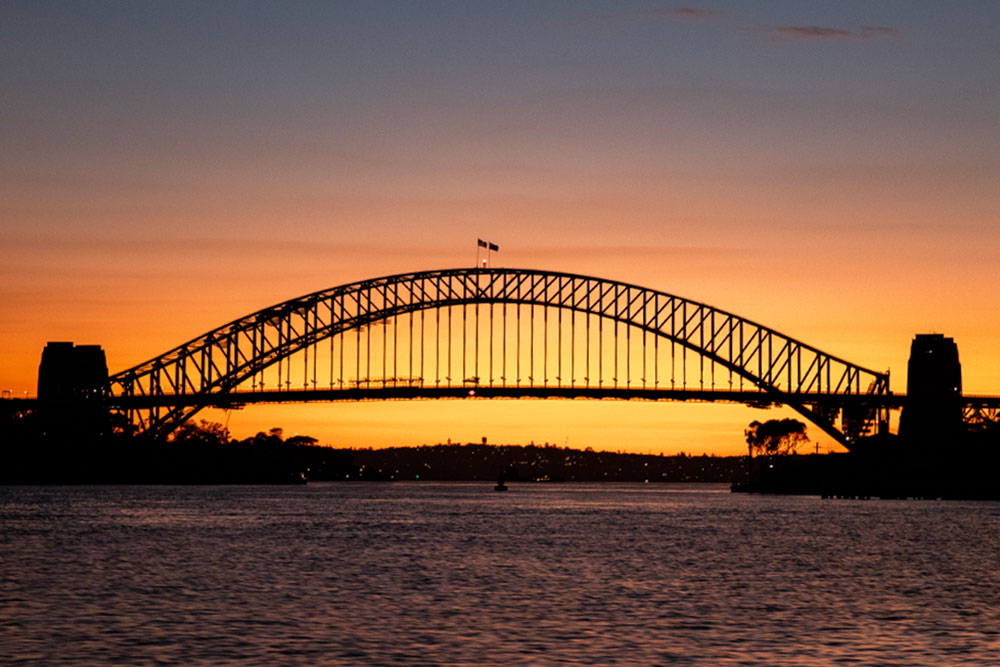
The Bridge spans the harbour with a single steel arch and includes road, rail and pedestrian pathways across its full length of 1,149 metres (approx. 3,770 feet).
The design of the Sydney Harbour Bridge was primarily inspired by New York City’s Hell Gate Bridge but adapted to suit Sydney’s unique harbour conditions and needs.
The pylons are primarily architectural elements. They provide balance and form, rather than carrying the main structural load of the Bridge.
Over 1,500 workers contributed across many trades, from planning and engineering to construction and finishing.
The granite used for the pylons was quarried in Moruya, a town on the South Coast of New South Wales and shaped by skilled stonemasons.
The opening drew crowds of more than 750,000 people, reflecting the importance of the Bridge to the city and the pride felt in its completion
The Bridge was funded over time, with tolls contributing to the cost until it was fully paid off in 1988.
Ongoing maintenance managed by Transport for NSW includes inspection, repairs, repainting, cleaning and monitoring to ensure safety and longevity while preserving the original heritage structure.