For Gadigal artist Colin Isaacs, art is not separate from life. It is a continuation of culture, memory and connection, shaped by lived experience and a deep responsibility to share story. His work reflects the enduring relationship between people and place, offering a perspective that has existed for thousands of years.
Through his artworks, visitors are invited to see the Harbour and the Bridge differently – not just as an iconic landmark, but as part of a living cultural landscape that continues to hold meaning today.
1. Can you tell us a little about yourself and your artistic journey to date?
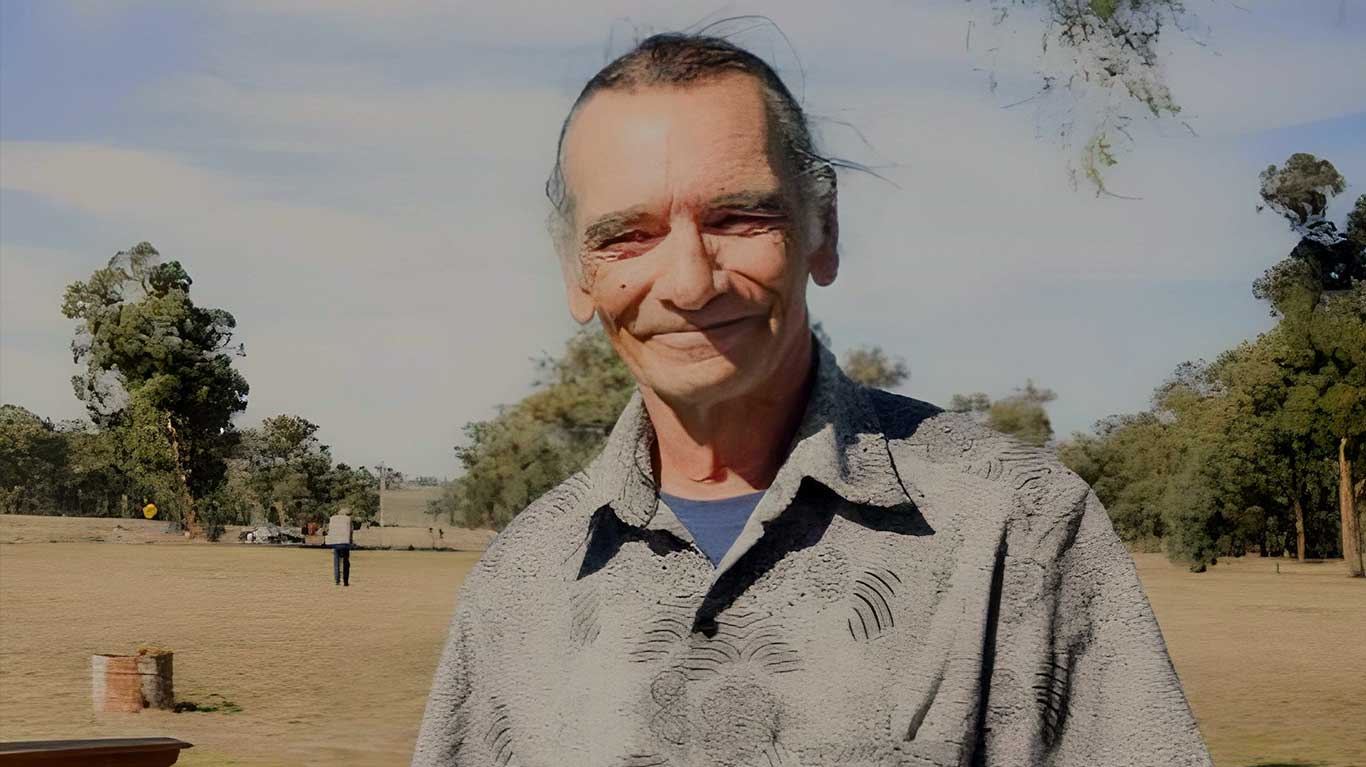
I am a proud Gadigal man, and my artistic journey has come through culture, lived experience, and a deep responsibility to share story. Art has always been part of who I am. It is not separate from life – it is part of identity, memory, Country and spirit.
Over the years, I have worked across many forms, developing my own way of expressing culture, history and connection. My journey has been one of learning, practising, respecting what has been passed down, and using art as a way to keep culture strong and visible.
2. How does your culture influence your work?
I was born into it, brought up through it, and express myself through it. Culture is not something outside of me – it is in the way I see, think, feel and create.
It guides the stories I tell, the symbols I use, the colours, the movement and the meaning in the work. My culture gives me my foundation and framework, as well as the responsibility to represent as an ambassador with honesty, respect and strength.
3. How would you describe your artistic style and the stories you’re most drawn to telling?
My artistic style is not limited to one specific focus because I practise many styles. For me, art is an authentic medium for storytelling and knowledge sharing.
I am drawn to all stories because every story matters. They are all my stories in one way or another – whether they come from culture, Country, memory, history, survival, change or connection.
At the same time, every person sees art differently. What is deeply impactful to one person may be understood differently by someone else. That is the beauty of art — it opens a space for reflection, feeling and personal interpretation.
4. What did it mean to you to create artwork for the BridgeMuseum and the Sydney Harbour Bridge?
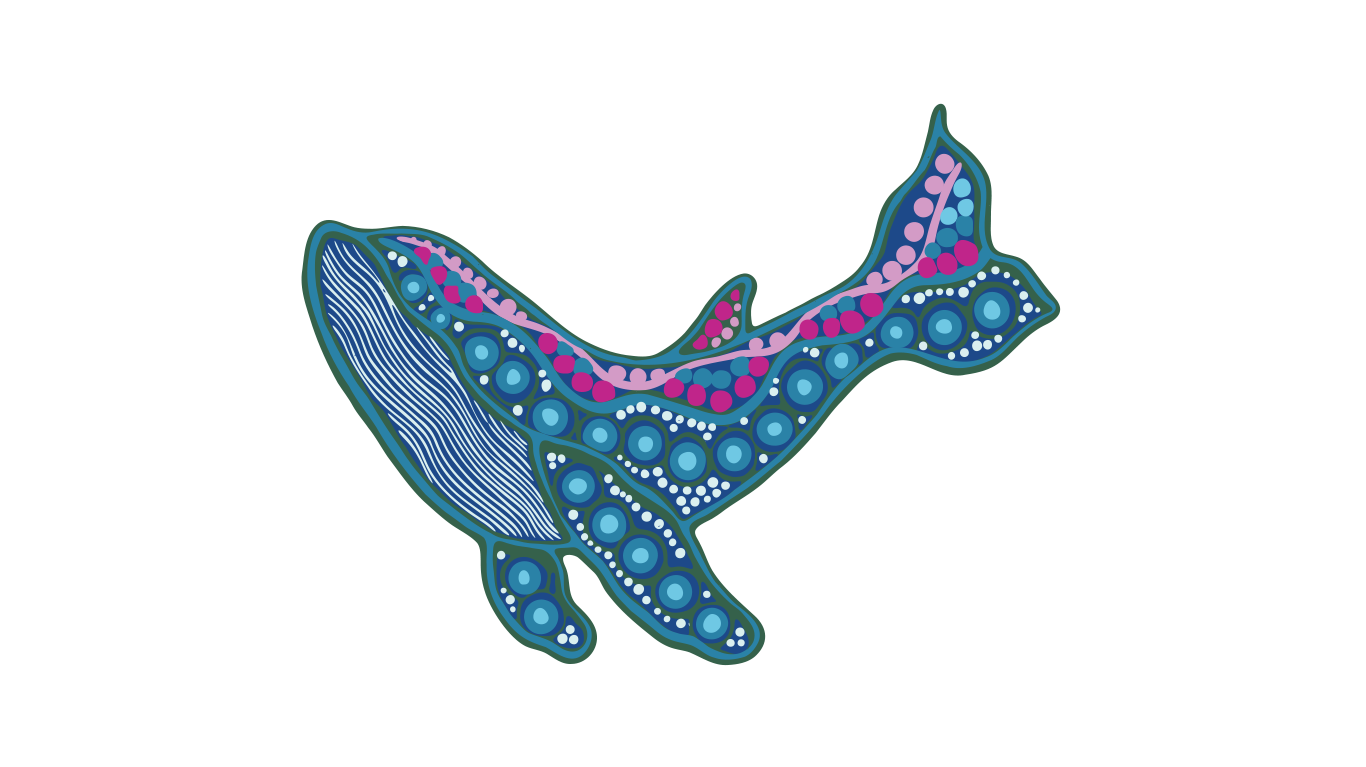
My grandfather, Colin Davison, was a painter on the Bridge; my niece, Mataya Cruise, has had her artwork of whales projected onto it; and now I have the honour and privilege of having my art housed within it.
We live and breathe our art and culture, and having opportunities like this to present who we are on our own Country is important. It allows our stories, perspectives and presence to stand where they belong.
For me, it is part of a much bigger mission – to help revitalise Country with its traditional culture and to ensure people understand that this place has always held deep meaning long before modern structures were built around it.
5. What was your initial reaction when approached to be part of this project?
I felt excited and overwhelmed, as I immediately understood the potential of the project. I saw it as a valuable chance to bring our voice forward.
I wanted to understand how the story would be told, what space there would be for truth and cultural perspective, and how the work could contribute something meaningful. Opportunities like this are important.
6. Can you talk us through the story or meaning behind the artwork you’ve created for the museum?
Both artworks come from a similar place, but they are seen through two different lenses. One is expressed in a more cultural way, grounded in our identity, our belonging and our long connection to place.
The other reflects change through the lens of post-colonisation and the transformation of our environment and way of life.
We are the Gadigal. We are saltwater people. We are deeply connected to the Harbour – its rhythms, its life and its spirit. The works speak to that ongoing connection, while also acknowledging the changes that have come over time and the need to continue to see and honour the original culture of the environment.
7. Were there any particular elements of the Bridge, the Harbour, or its history that inspired you?
The Harbour itself is always the strongest source of inspiration because it holds ancient meaning. Before the Bridge, before the city, before colonisation, this was – and remains – a living cultural landscape.
The water, the shoreline, the movement of people, the exchange of knowledge, the fishing, the journeys – all of that is embedded in the place.
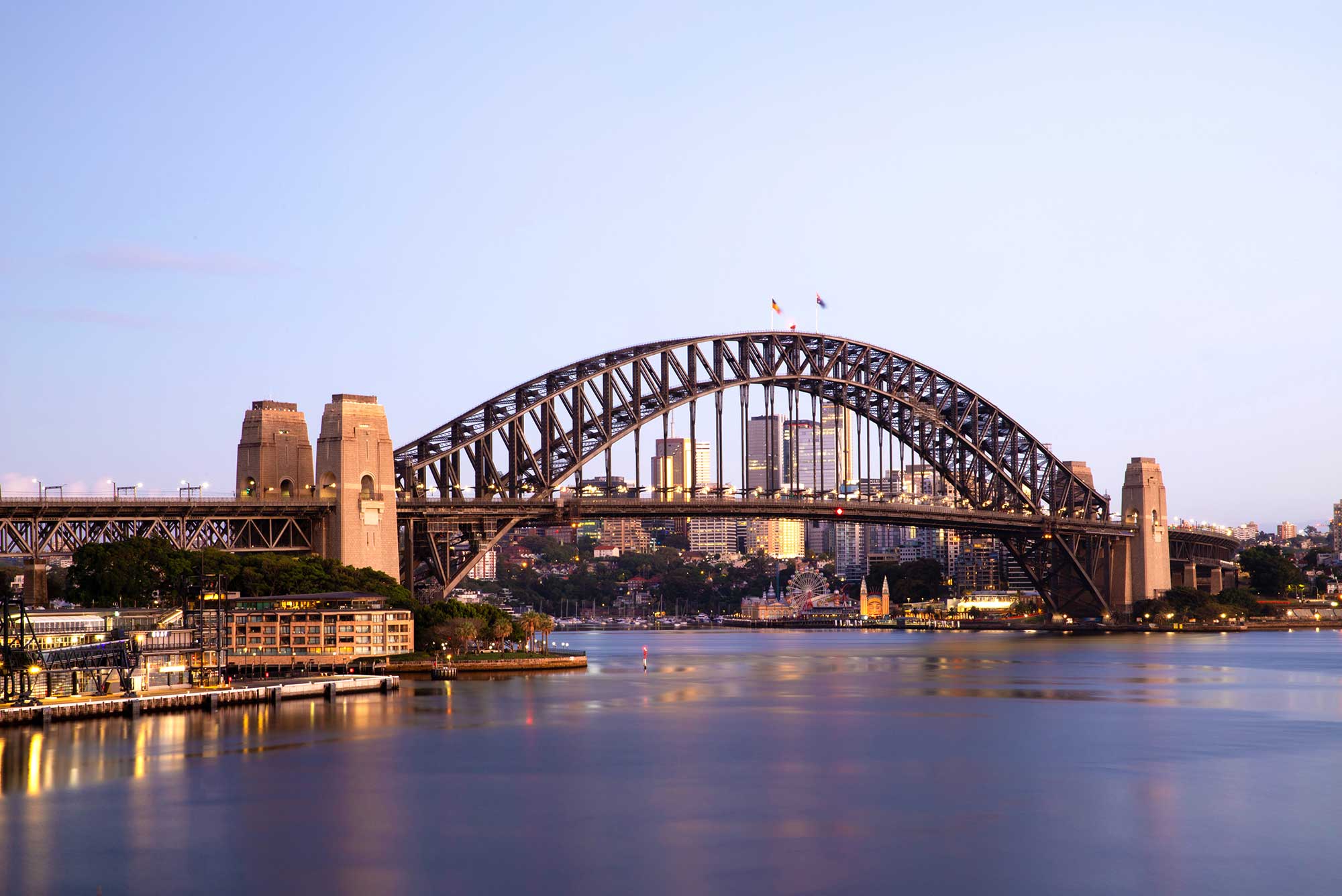
The Bridge is powerful in another way, as it represents a later layer of history built over Country. That contrast between ancient belonging and modern change was something that strongly inspired me.
8. Why is it important to see Aboriginal and Torres Strait Islander perspectives represented in places like the BridgeMuseum?
Because without our perspectives, the story is incomplete. Places like the BridgeMuseum sit on Gadigal land and speak about places that already had identity, meaning and history long before colonisation.
It is important for people to understand that Gadigal culture is not something of the past – we are still here, still connected and still carrying knowledge. Representation helps create truth, balance and respect.
It allows people to engage with the full story of this Country, not just one version of it.
9. What do you hope visitors feel, learn or reflect on when they experience your artwork?
I hope they feel a deeper sense of connection – to place, to history and to the people who have belonged to this Country for thousands of years.
I hope they reflect on what was here before and what remains here now. I would like people to understand that Country holds memory, and that Aboriginal art is not only visual – it carries story, feeling, spirit and knowledge.
If visitors walk away with greater respect, curiosity and reflection, then the work has done something meaningful.
10. What message would you like to share with aspiring Aboriginal and Torres Strait Islander artists who might one day see your work in the museum?
The message I would like to give Aboriginal and Torres Strait Islander artists is the same message I would give all artists: be proud of who you are and where you come from.
Trust your voice, respect your culture and keep creating from a place that is true to you. Don’t feel you have to fit into someone else’s idea of what art should be.
Our culture is strong, deep and living, and there is room for many ways of expressing it. Keep learning, keep practising and stay connected to your roots. Your story matters, your perspective matters, and your art has power.
The foundation of our culture is love, and that is the key to sharing and caring. I’ll leave you with two words: ‘Yama’ is our general welcome. ‘Mudge’ means ‘my brother, sister, fellow countrymen and guests’.